Tag: US

  • The Future of eCommerce is Social: Demystifying the Social Commerce Revolution

    The Future of eCommerce is Social: Demystifying the Social Commerce Revolution

    Social commerce is the selling of goods and services within a social media platform. Brands use social platforms such as Instagram, Facebook, Snapchat, and Twitter to promote and sell products. These platforms have become an integral part of consumers’ everyday life because they continue to engage users with relatable content, making them scroll their feeds for hours. 

    The Social Commerce model capitalizes on this high user engagement & moves social media beyond its traditional role in the top-of-the-funnel marketing process by encouraging users to shop without leaving their preferred apps. According to the Social Media Investment Report, 91% of executives agree that social commerce is driving an increasing portion of their marketing revenue, and 85% report that social data will be a primary source of business intelligence.

    Let’s talk a little bit about why brands should consider selling via social media platforms:

    Social Commerce vs. eCommerce vs. QCommerce

    While they may fall under the same umbrella of online selling, social commerce, quick commerce, and eCommerce are three very different concepts

    • eCommerce refers to online shopping via a (retailer or brand) website or app. Customers can access these platforms via desktop or mobile devices. However, the sales funnel generally looks the same. These brands and retailers use top-of-the-funnel tactics like social media content, digital ads, and other marketing strategies to encourage customers to visit the online store. There are three main types of eCommerce businesses: Business-to-Business (Alibaba, Amazon Business, eWorldTrade), Business-to-Consumer (websites such as Amazon, Rakuten, and Zalando), and Consumer-to-Consumer (platforms such as eBay & Etsy).
    • Quick Commerce (or QCommerce) refers to eCommerce businesses that deliver goods within a couple of hours or even minutes. Although it’s sometimes used interchangeably with on-demand delivery or instant commerce, the idea of quick commerce has been around in the food industry for ages now. It has been recently ushered into the mainstream by evolving consumer preferences for quicker delivery of groceries and FMCG goods.
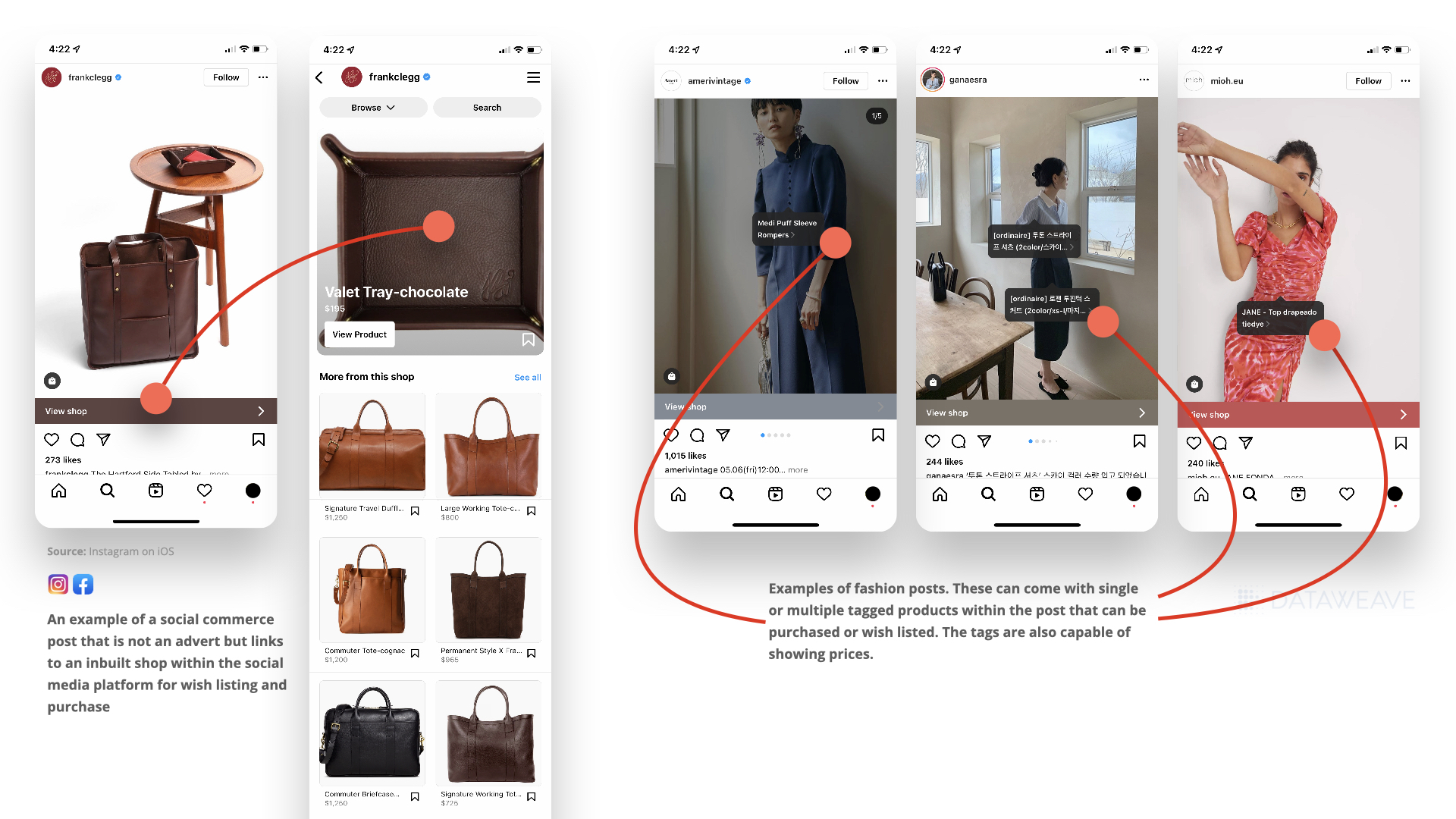
    • Social commerce brings the store to the customer rather than redirecting customers to an online store. It removes unnecessary steps and simplifies the buying process by letting the customer checkout directly through social media platforms, creating a frictionless buying journey for the customer. Additionally, social media platforms are mobile-friendly, a huge benefit for brands because increasingly more and more customers are accessing the internet through mobile devices.
    Social Commerce
    Social Commerce

    Rise of Social Commerce

    First used in 2005 by Yahoo!, ‘social commerce’ refers to collaborative shopping tools such as user ratings, shared pick lists, and user-generated content. Social media networks snowballed throughout the 2000s and 2010s, alongside a general increase in eCommerce, leading customers and merchants to quickly recognize the benefits of buying and selling through social media networks. Social media platforms have since evolved from merely a showcase tool for brands. They now serve as virtual storefronts and extensions of a company’s website or brick and mortar stores, capable of handling the buying experience.

    Top Social Commerce Platforms

    Social media platforms aim to keep visitors engaged on their platforms for as long as possible. Increased time in-app or on-site maximizes their opportunity to serve ads, a primary source of revenue generation. Social media platforms have millions of active users and they have a great power to help companies and individuals build their brands, interact with consumers, and support after-sales. Here are the top social commerce platforms:

    • Facebook

    Facebook introduced Facebook Shops to capitalize on the commercial opportunity by allowing vendors to advertise and sell directly through the platform. Facebook integrates social commerce with shopping, allowing users to purchase products smoothly. Facebook shops offer a smooth user experience where users can review products and get recommendations from trusted acquaintances. Customers can directly interact with the merchant’s customer service department post-purchase. 

    • Instagram

    60% of people discover new products on Instagram. Owned by Facebook, Instagram facilitates in-app shopping and handles the entire transactions within the app itself. Users scrolling on Instagram often wants to follow trends and replicate the looks of their role models or favorite influencers. By offering purchasing options in the app, Instagram benefits from the platform’s rich visual imagery and videos, allowing businesses to sell an idea rather than the traditional process of selling a product. 

    • TikTok

    Shopify partnered with TikTok to introduce shopping and drive sales through the younger and seemingly ever-expanding TikTok audience. With TikTok for Business Ads Manager, brands and merchants can create in-feed video-based content depending on their product offering. This partnership allows Shopify merchants to expand to the TikTok audience.

    • Snapchat

    Snapchat has recently launched Brand profiles, a feature that allows users to scroll through a merchant’s products and buy them in-app. This new experience is powered by Shopify too. Merchants can create Brand Profiles or Native Stores that allow users to purchase products from the app. 
    Pinterest users are there for Shopping Inspiration
    Pinterest users are there for Shopping Inspiration
    • Pinterest

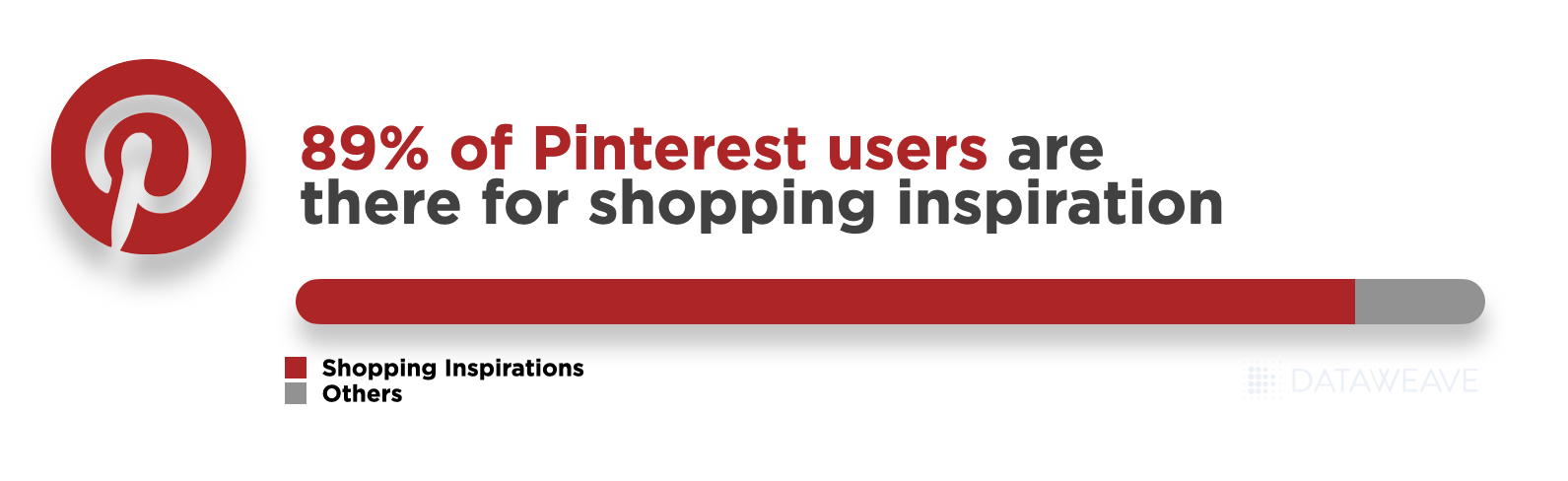
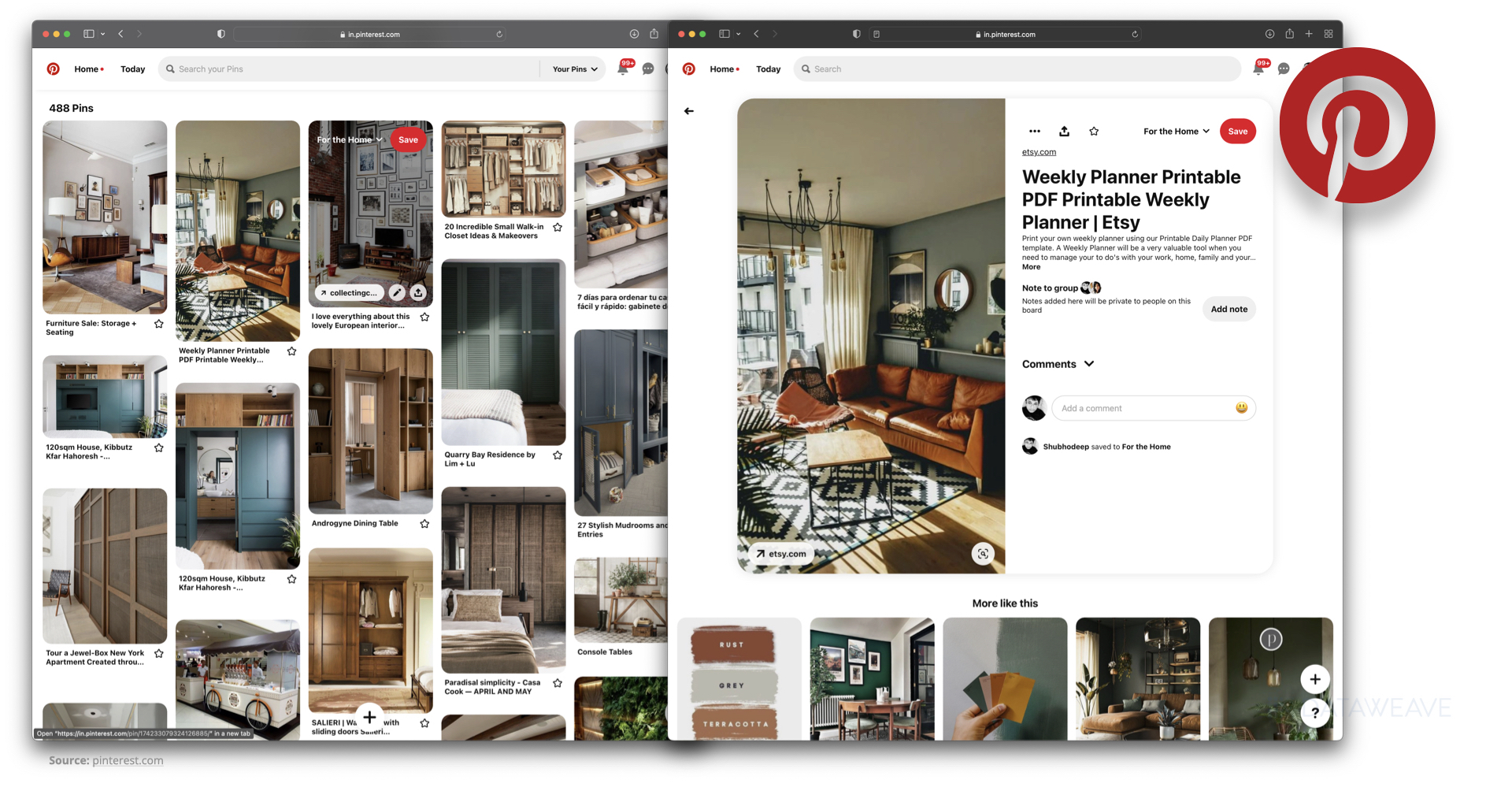
    Pinterest is also an image-based platform where users create boards of their favorite wedding accessories, home decor, fashion trends, etc. Pinterest doesn’t specifically offer social commerce for the global audience. Rather, it allows business accounts to create ‘Product Pins’ that are displayed in the brand’s Pinterest shop. Only U.S. customers can purchase within the app. Users from other countries are redirected to the eCommerce site to complete the sale. We have added Pinterest to this list because 89% of Pinterest users are there for shopping inspiration.
    Pinterest is an image-based platform where users create boards
    Pinterest is an image-based platform where users create boards

    Why Should Brands Care About Social Commerce

    • To enhance social media presence and brand awareness

    If your target demographic is in the 18-to-34 age range, they’re already on social media and waiting to shop while they scroll. According to Sprout Social, over 68% of consumers have already purchased directly from social media and nearly all (98%) consumers plan to make at least one purchase through social or influencer commerce this year. You can enhance brand awareness by selling on social media platforms. Influencer marketing is an amazing way to build brand awareness since customers are now seeking authenticity from micro-influencers rather than big-name celebrities. 

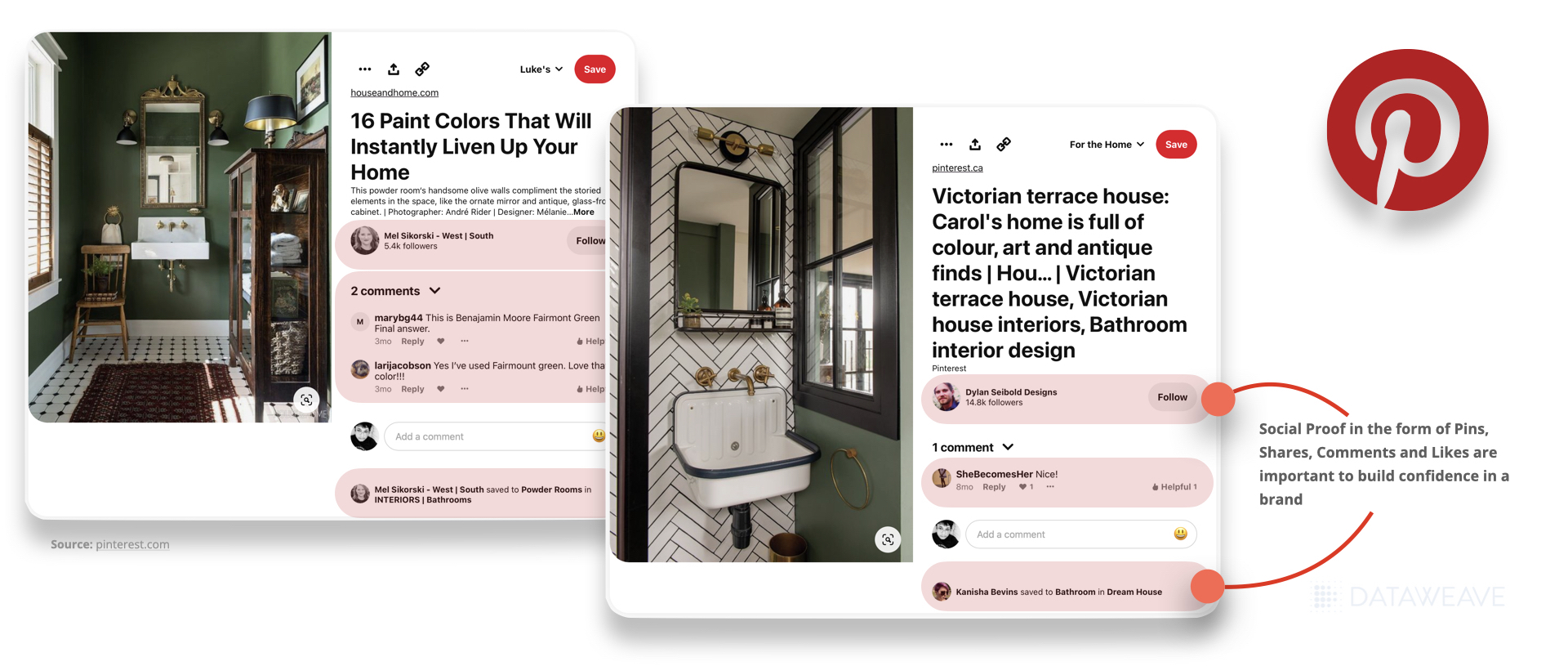
    • To generate social proof

    90% of online shoppers say that they read online reviews before making an online purchase. Whether it’s an automated follow-up email or a message through the social media platform, ask for a review after your product has been delivered to the customer. You can also offer incentives like a contest to encourage previous customers to weigh in and share their experiences. These steps will allow you to collect social proof since it’s vital to build a positive reputation online. You can also ask customers to create small product review videos that you can share on your social feeds in creative ways. You can also post user-generated content, create a carousel of positive comments, or host a live video with happy customers.
    Social Proof
    Social Proof
    • To simplify the buying process for consumers

    Traditional eCommerce involves several steps. It starts with displaying ads on social media platforms and customers being redirected to the business website for completing the transaction. To complete the transaction, customers also have to create an account or manually fill in the credit card details and delivery address. On the other hand, social is only a three-step process — find, click and buy. 
    Counterfeit Products
    Counterfeit Products

    Conclusion

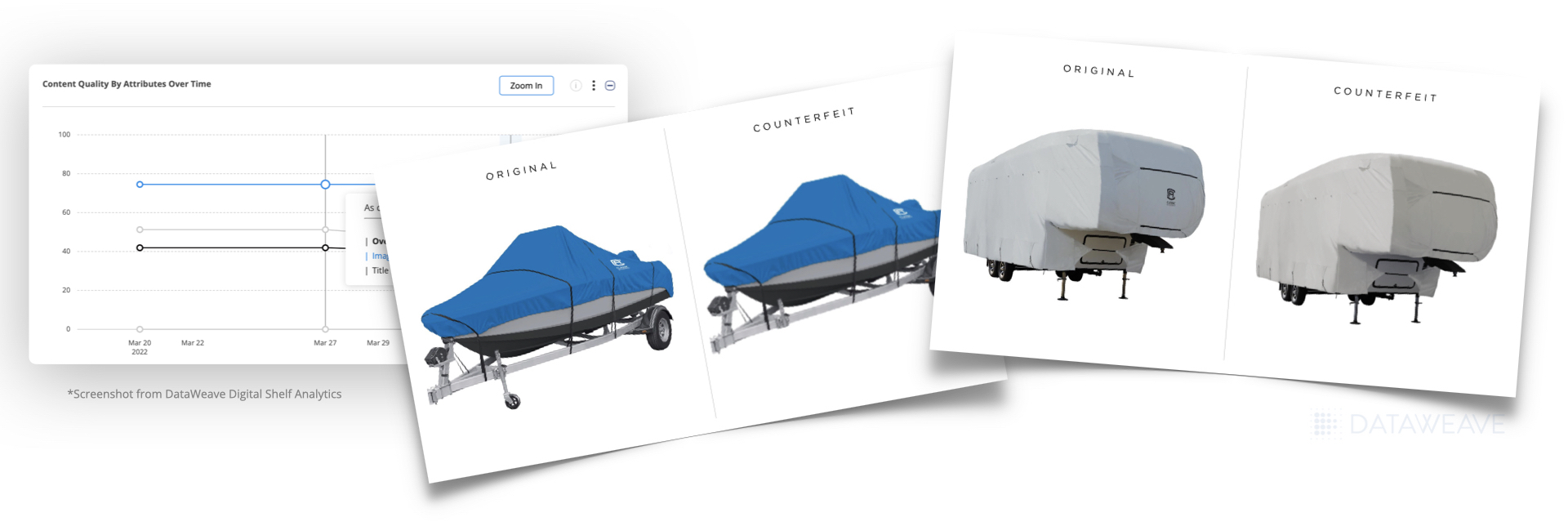
    While social commerce is proliferating, it also has a few setbacks like the rise of counterfeit products. Counterfeiting has expanded into social media and has become an under-reported but vital hub for counterfeiters. A counterfeit detection solution can help brands and merchants identify & remove fake and unauthorized products. Technologies like image recognition can help in counterfeit detection by capturing fake logos and discrepancies. Removing counterfeit products will help brands safeguard customer loyalty and prevent fake products from harming your bottom line. 

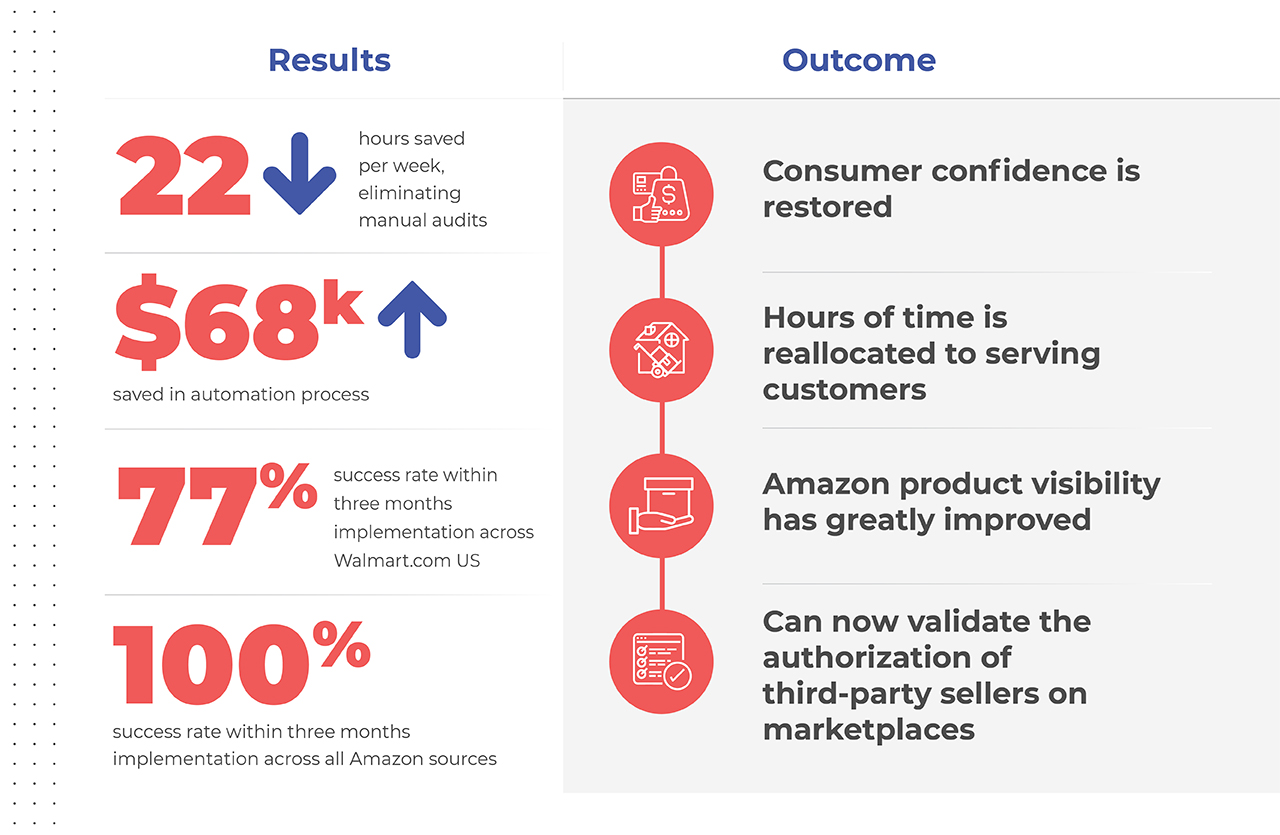
    Here’s how DataWeave helped Classic Accessories, a leading manufacturer of high-quality furnishings & accessories identify counterfeit products across multiple retail marketplace websites eliminating 22 hours of time spent per week conducting manual audits – read the case study here

    Are you a brand or a retailer worried about counterfeits? Sign up for a demo with our team to know how we can help you track, identify and eliminate fakes! 

  • Share of Keyword Search Cinco de Mayo 2022

    Share of Keyword Search Cinco de Mayo 2022

    As inflation continues to hike costs for consumers and supply chains challenge them to maintain loyalty, there is still an active audience willing to pay the ultimate price for the convenience of food and alcohol delivery. That being said, we analyzed 8 popular Retail and Delivery Intermediary websites and 11 popular ‘Cinco de Mayo’ keywords to see which Brands are predicted to win the battle of Digital Shelf Share of Search this holiday.

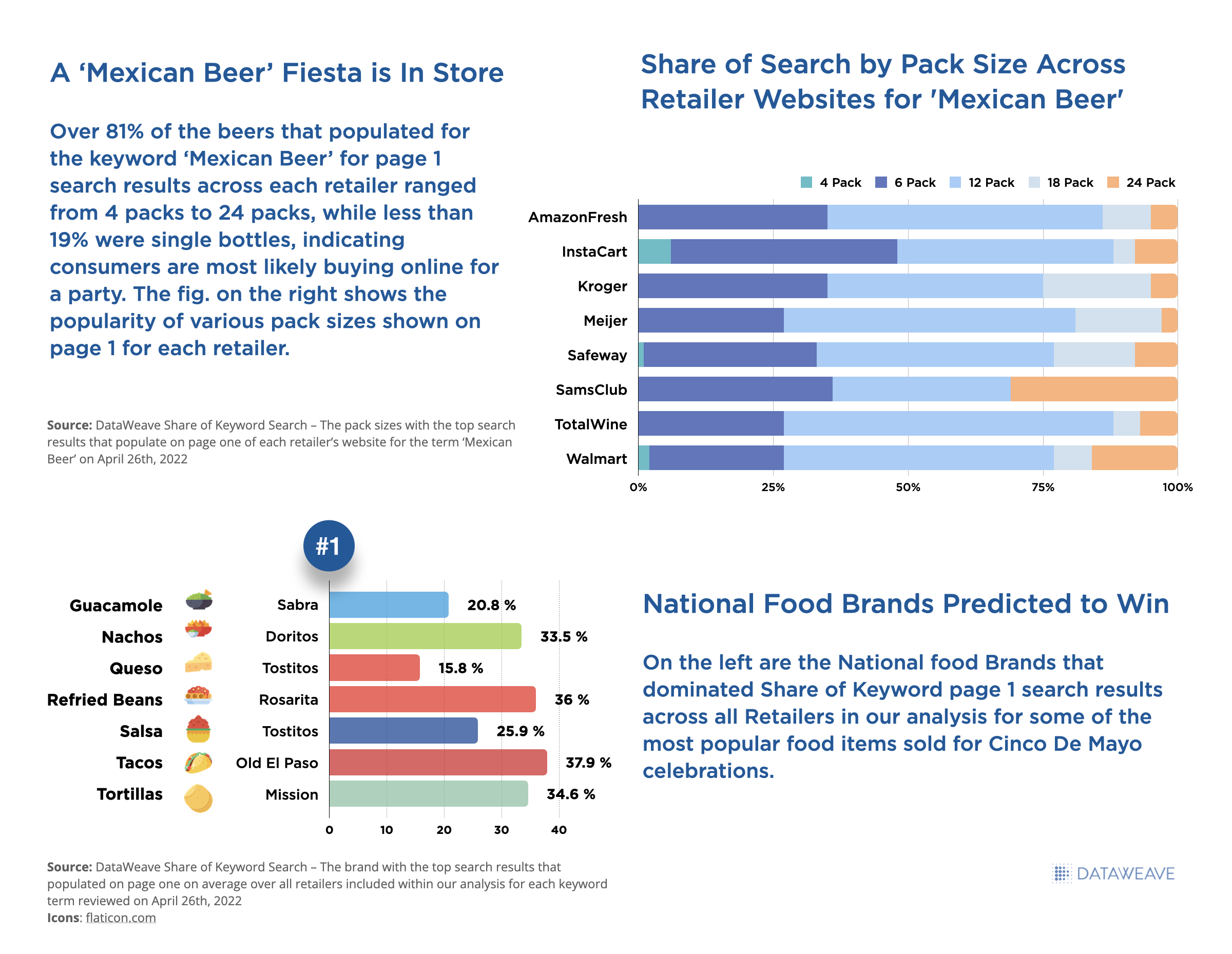
    2022 Cinco de Mayo Share of Search Insights - Top Brands for 'Cinco de Mayo'
    2022 Cinco de Mayo Share of Search Insights – Top Brands for ‘Cinco de Mayo’

    Opportunities for Food & Bev on Cinco de Mayo

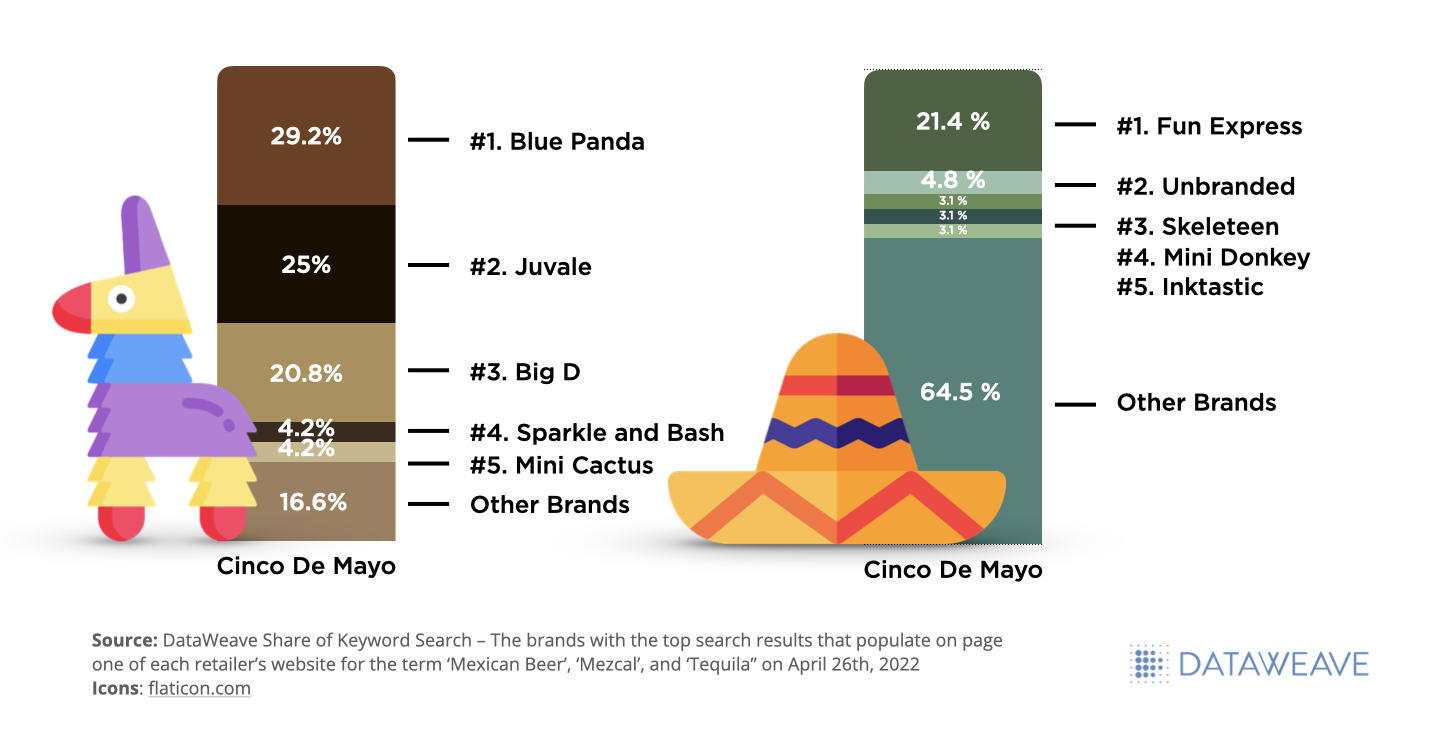
    While most of our analysis focused on popular Cinco de Mayo food and beverage products, none of these brands populated on either Target (pictured on left below) or Walmart (pictured on right below) page 1 search results for the term ‘Cinco de Mayo’. Keyword search results for this term are dominated primarily by décor brands as indicated below.

    Brands Achieving Top Share of Search for Food and Beverage Categories on Cinco de Mayo 2022
    Brands Achieving Top Share of Search for Food and Beverage Categories on Cinco de Mayo 2022

    Share of Keyword Search Results – Alcohol Category

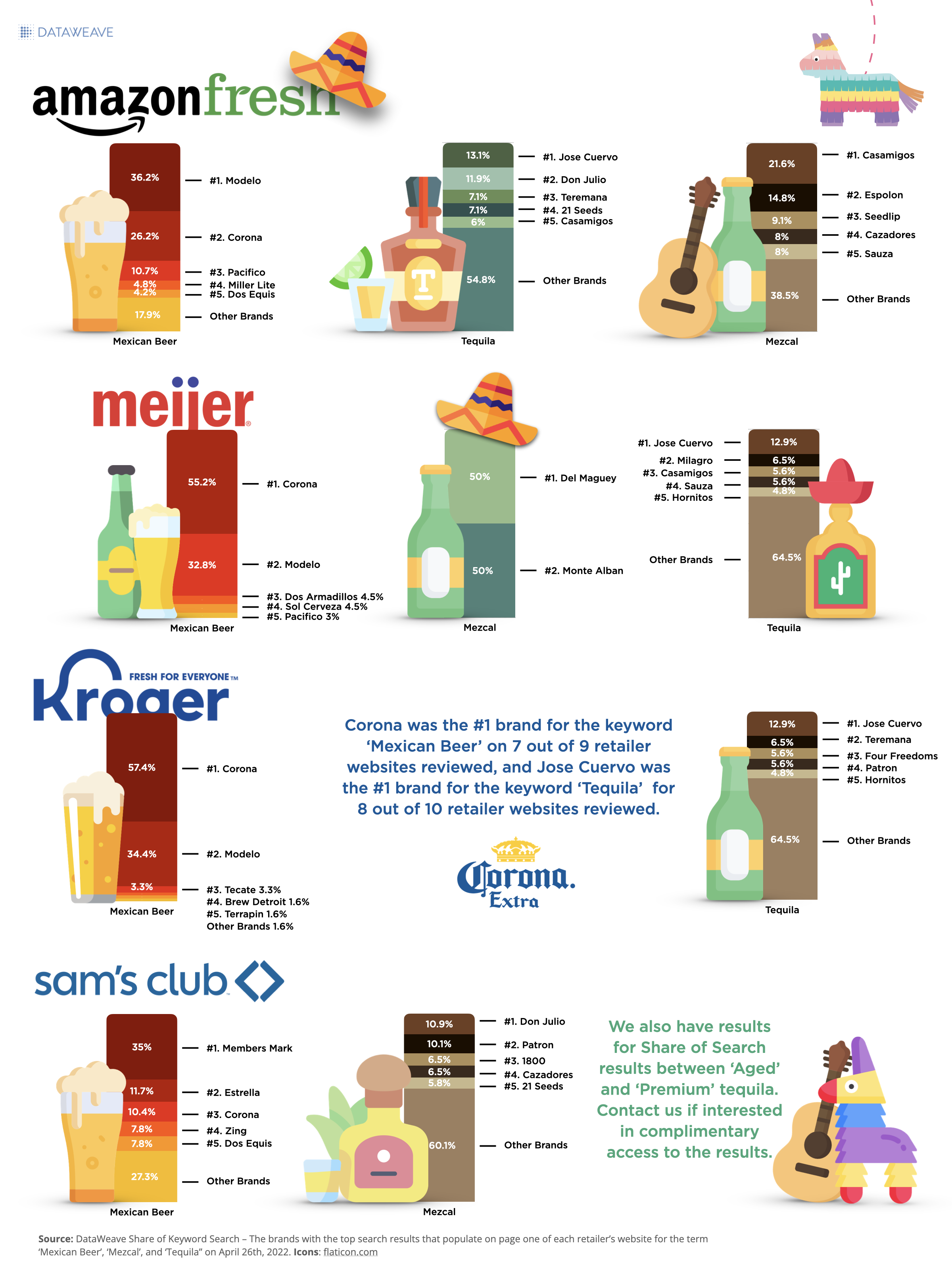
    Three of the most popular alcohol types sought out during Cinco de Mayo are ‘Mexican Beer’, ‘Mezcal’, and ‘Tequila’. Below are the brands dominating Share of Keyword Search results on each of the major retail websites we researched.

    AmazonFresh, Meijer, Kroger, and Sam's Club Share of Search - Beer, Mezcal, and Tequila Keywords on Cinco de Mayo 2022
    AmazonFresh, Meijer, Kroger, and Sam’s Club Share of Search – Beer, Mezcal, and Tequila Keywords on Cinco de Mayo 2022

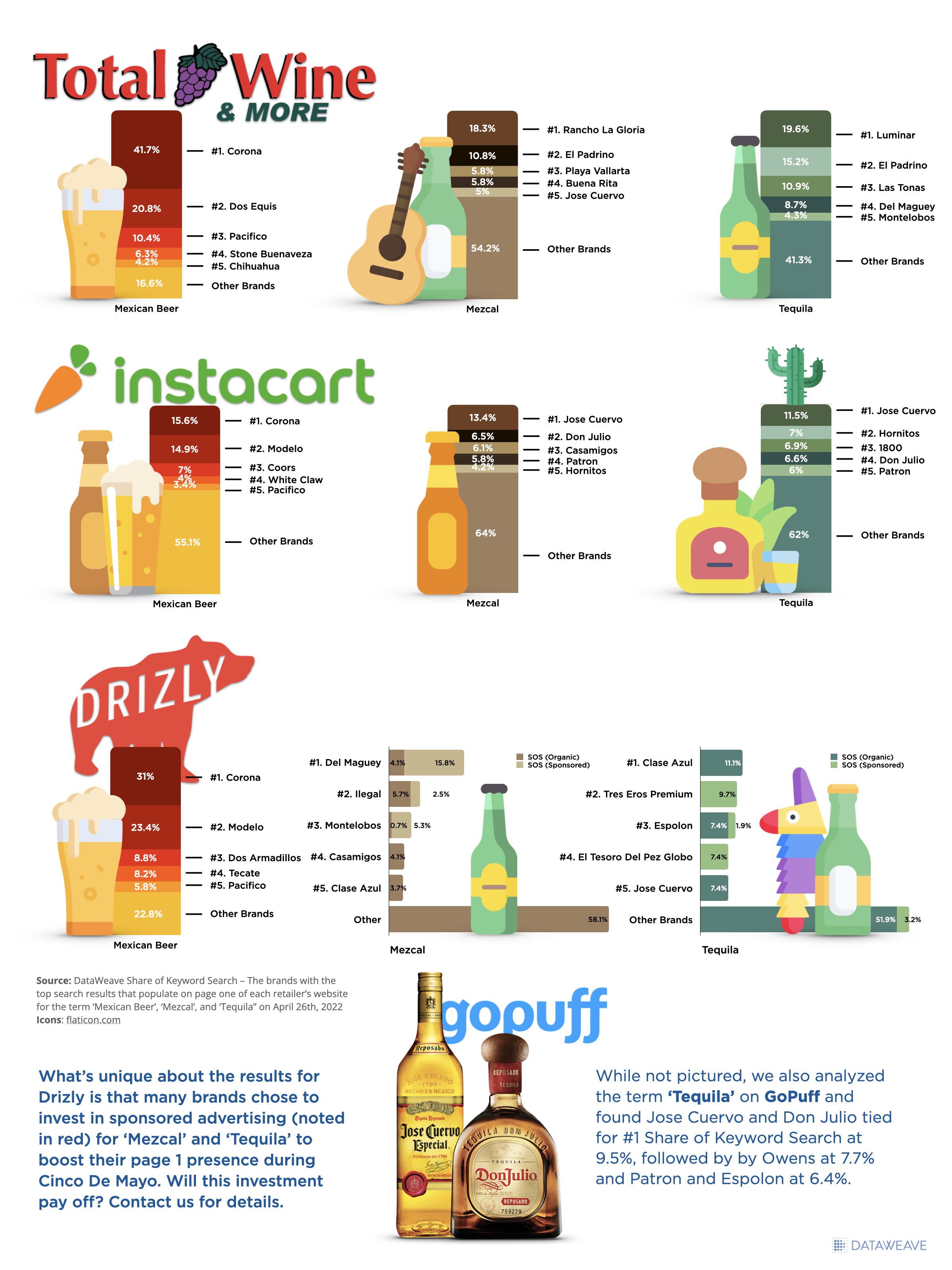
    We also reviewed the same keyword performance across popular delivery intermediaries to see how Share of Keyword Search altered for ‘Mexican Beer’, ‘Mezcal’, and ‘Tequila’. The results are below for TotalWine, Instacart, Drizly and GoPuff:

    TotalWine, Instacart, Drizly, and GoPuff of Search - Beer, Mezcal, and Tequila Keywords on Cinco de Mayo 2022
    TotalWine, Instacart, Drizly, and GoPuff of Search – Beer, Mezcal, and Tequila Keywords on Cinco de Mayo 2022

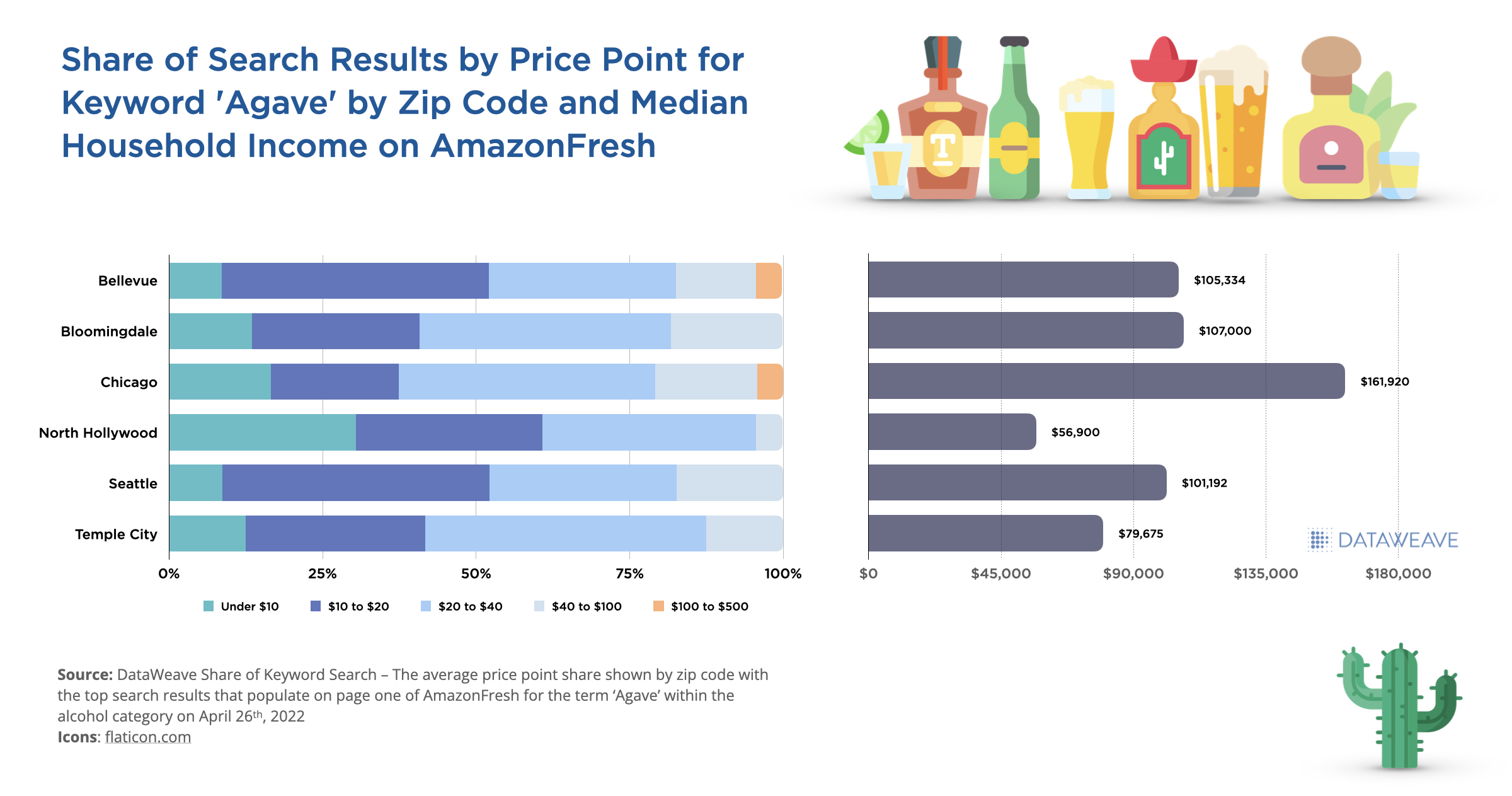
    The keyword ‘Agave’ is also a popular search term within the alcohol category during the time leading up to Cinco de Mayo. We reviewed keyword search performance at various zip codes to see how price points that populated on page 1 search results varied given the change in median income. Below are the results:

    Share of Search for Alcohol by Price Point and Zip Code on AmazonFresh
    Share of Search for Alcohol by Price Point and Zip Code on AmazonFresh

    Share of Keyword Search Results – Grocery Categories

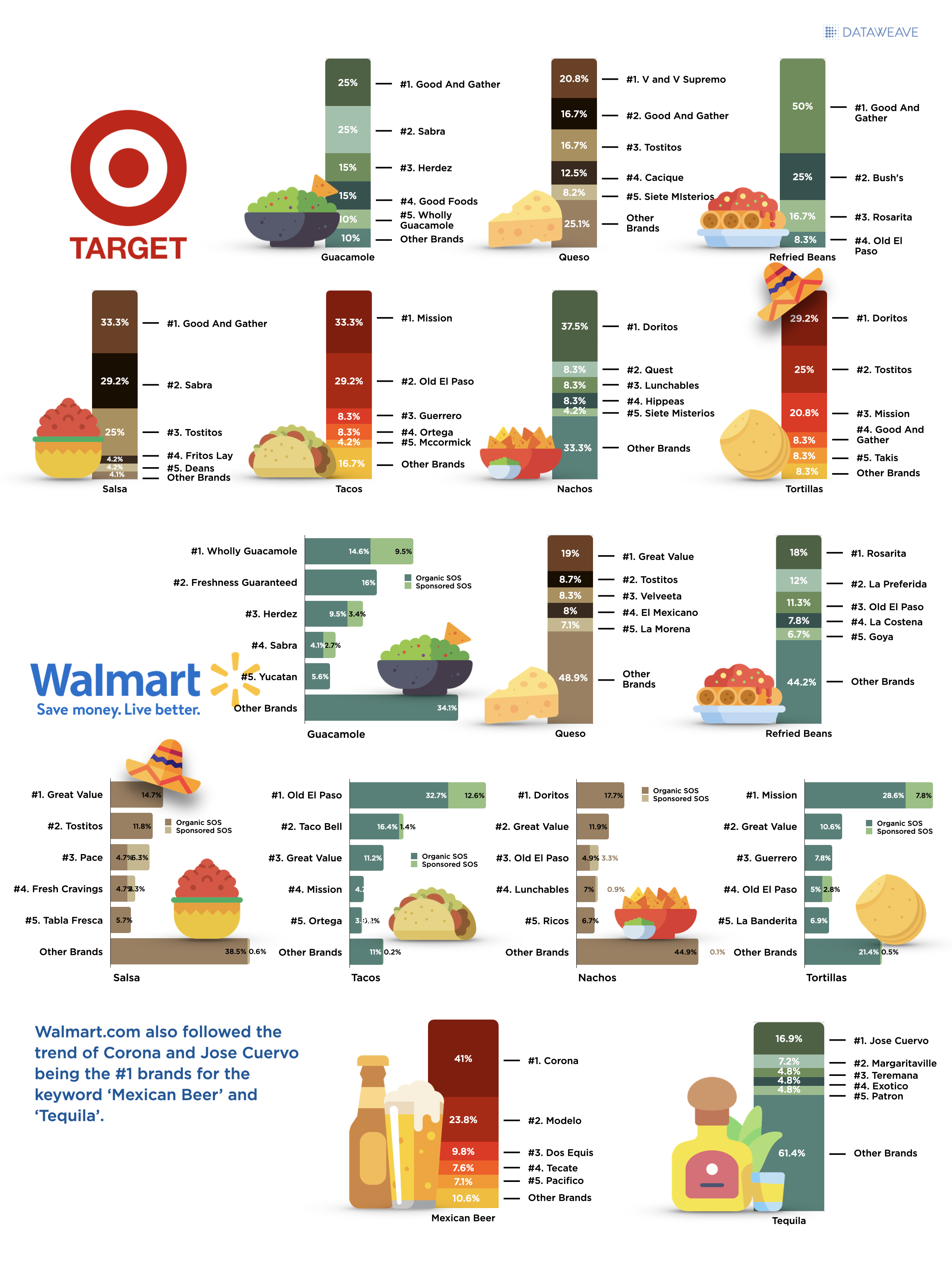
    We also reviewed some of the most popular grocery items purchased during Cinco de Mayo by Keyword Share of Search results to see which brands are primed to win the Digital Shelf this year. Below are the results for Target.com and Walmart.com.

    Walmart and Target Share of Search - Food and Beverage Keywords on Cinco de Mayo 2022
    Walmart and Target Share of Search – Food and Beverage Keywords on Cinco de Mayo 2022

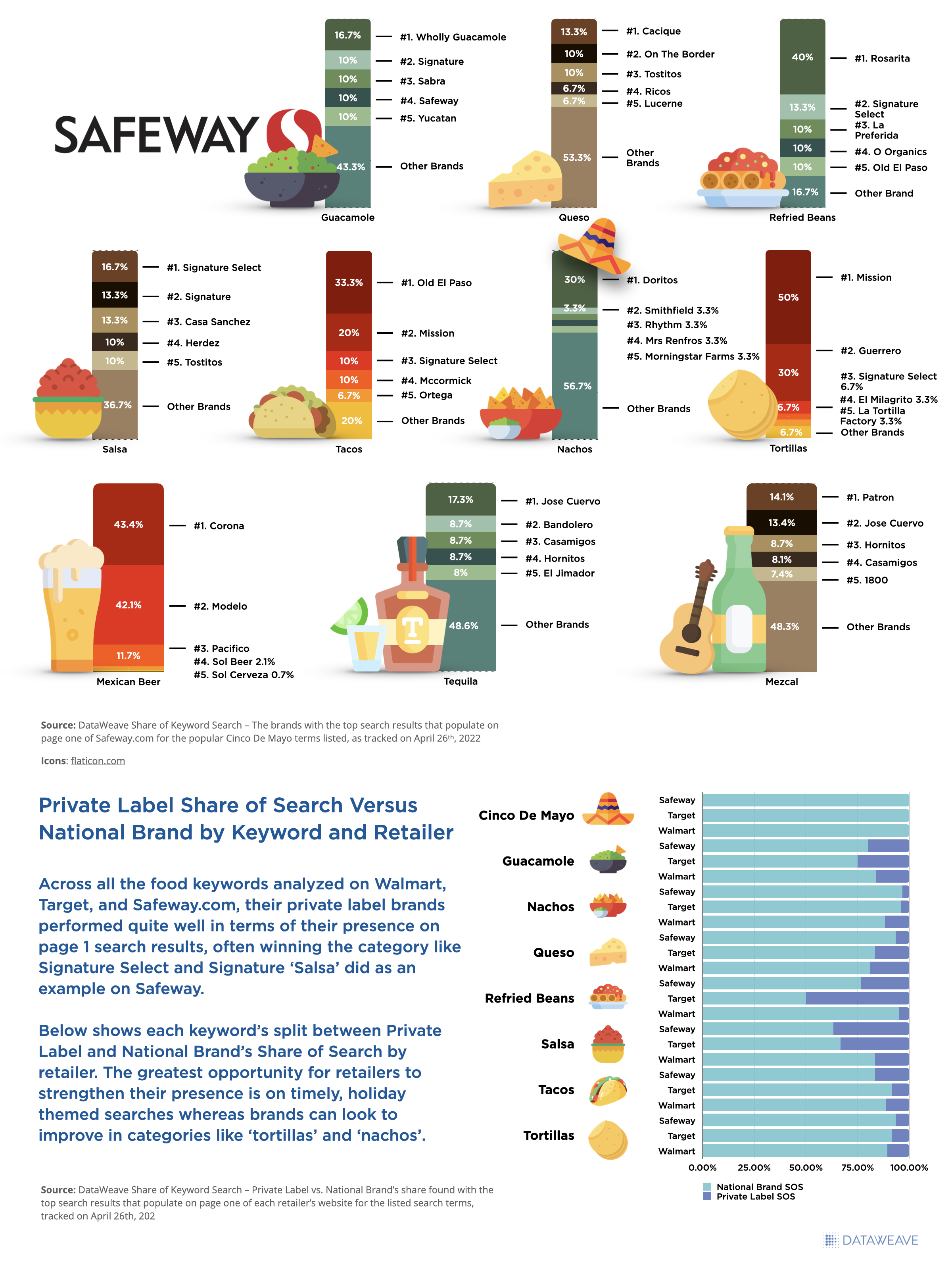
    Below are the results for the same popular grocery items and alcohol keywords related to Cinco de Mayo and the page 1 results seen for Brand Share of Search on Safeway.com.

    Safeway Share of Search - Food and Beverage Keywords on Cinco de Mayo 2022
    Safeway Share of Search – Food and Beverage Keywords on Cinco de Mayo 2022

    Access to these types of real-time digital marketplace insights can enable retailers and brands to make strategic decisions and help drive profitable growth in an intensifying competitive environment. Be sure to reach out to our Retail Analytics experts for access to more details regarding the above analysis, and let us know what other holiday insights you’d be interested in seeing this year. Happy Cinco de Mayo!

  • Fake Reviews: A Real Pain Point for Brands

    Fake Reviews: A Real Pain Point for Brands

    Online reviews have revolutionized how customers purchase products and services. In fact, eCommerce success for certain products hinges on the ratings and reviews. With this, have come the pitfalls of corruption in eCommerce.

    New brands trying to establish a presence and capture critical mass have been known to resort to soliciting fake and paid reviews to uplift their brand in search rankings. Similarly, these brands can also encourage fake negative reviews on competitor’s listings to bring down their value. Bots and paid manual reviews are usually employed to rake up the review count. Review sites like TrustPilot, Google Reviews, and marketplaces like Amazon are littered with fraudulent reviews. In fact, Guardian calculated that 3.6% of all reviews on TripAdvisor were fraudulent. According to a 2021 report by Statista, 46% of the 2.7 million online fake reviews that were removed were five-star reviews! 

    Fake online reviews are misleading since customers shopping both online and offline rely on reviews to make purchase decisions. Fake reviews also pose further problems because they deceive consumers into spending money on a product or with a company they may not have otherwise chosen. 

    Federal Trade Commission (FTC) made a recent announcement to send penalties to over 700 brands and retailers for fake endorsements and reviews. While this notice references influencer content and testimonials, it also applies to customer reviews. 

    In this blog, we will discuss the importance of reviews for brands and retailers, spotting fake reviews on Amazon, and steps that eCommerce companies can take to tackle fake reviews. 

    Importance of reviews for Brands and Retailers

    Customers do not make blind purchases. Consumers read reviews before buying products. Statistics show that irrespective of the industry, having a positive online presence is essential and has become an integral part of branding. It also indicates that customers have a high confidence level in fellow consumers’ opinions. Overall, positive online ratings & reviews can help skyrocket eCommerce sales.

    Customers are more likely to purchase if other customers, even strangers, agree that it was a great purchase. Reviews also make brands more visible. 

    Why are fake online reviews so resilient?

    A significant reason is that the ROI of getting fake reviews increases profitability & sales multifold. For example, an extra star on Yelp can increase a restaurant’s revenue by 5% to 9%. FTC has said that the expenditure on fake reviews can provide a 20x return. However, fake and incentivized reviews are a huge problem. Amazon, one of the largest eCommerce marketplaces, banned incentivized reviews in 2016. It took down suspicious reviews and has taken legal action against sellers who violate its policies. 

    Online Reviews
    Online Reviews

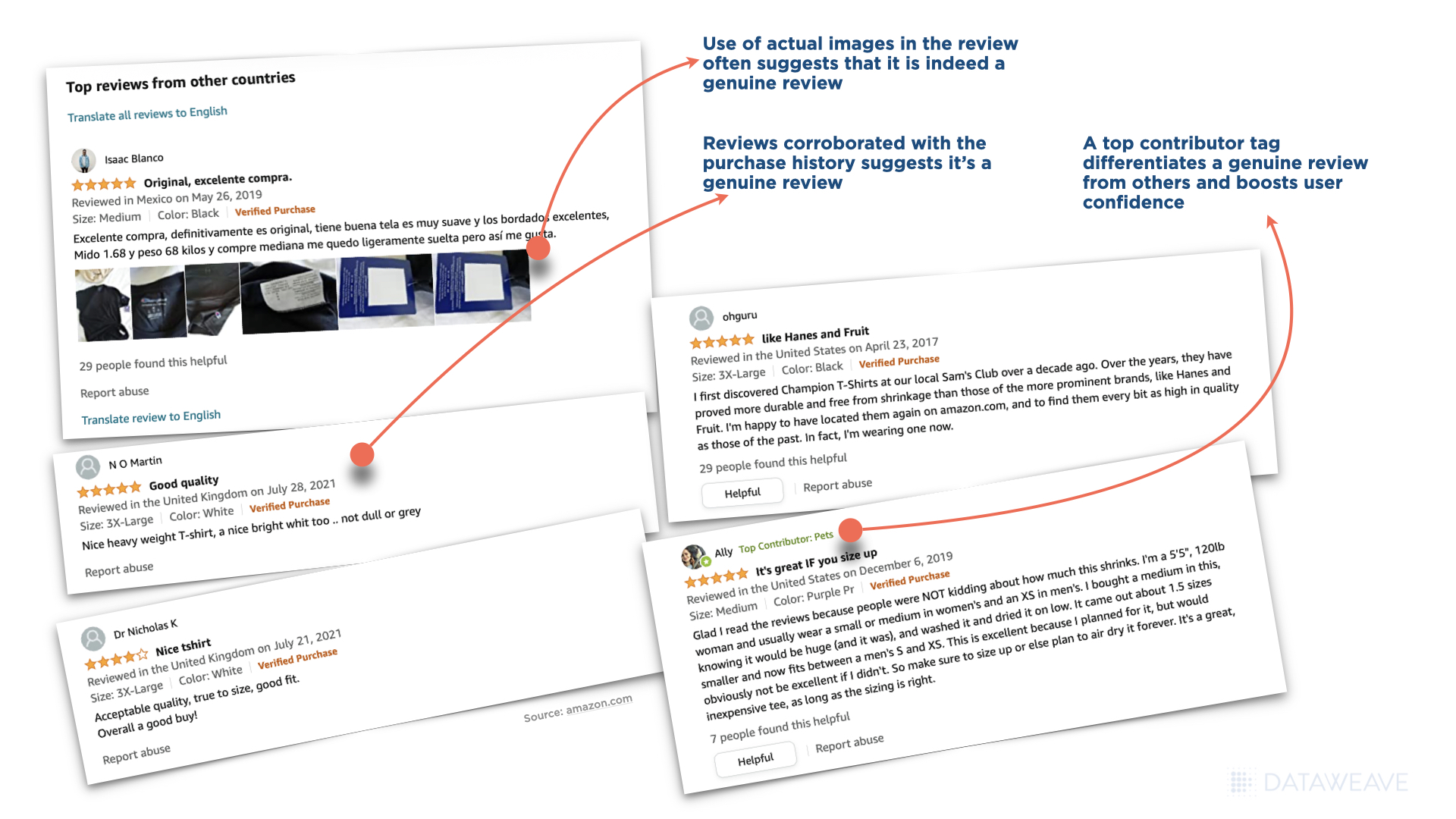
    How to Spot a Fake Review on Amazon

    Marketplaces, Google, and review sites like Yelp can get hundreds of thousands of reviews daily. In a survey by PCMag that interviewed 1,000 US shoppers who looked forward to shopping on Prime Day 2020, only 16% were very confident about detecting fake Amazon product reviews, and 24% were confident they could do it. The rest of the survey respondents were somewhat or not confident they could pick out the fakes on Amazon. Here are our best tips for spotting fake reviews on marketplaces like Amazon:

    • Duplicate Content: If you notice dozens of reviews with the same description and title as if they were copied and pasted multiple times, they’re most likely fake reviews. 
    • Multiple Reviews on the Same Day: Another identification of fake reviews is when there are dozens or multiple reviews on a single day. There can be a bunch of both positive and negative reviews for products.
    • Unverified or Anonymous Reviewers: You can see if the review is from a verified buyer on Amazon. Brands can also check if they have any record of the reviewer’s purchase to weed out fake reviews. 
    • Incorrect Language: Fake reviews can come from people outside your country. If you notice multiple reviews with similar incorrect words and common errors, there is a good chance those reviews are fake, and someone paid the reviewer to write them.

    What can eCommerce brands do to protect themselves against fake reviews?

    • Follow a zero-tolerance policy for fake reviews.

    The major step is to ensure that fake reviews are never posted on your site. Allowing fake reviews negatively affects your business and your bottom line. You can hire a third-party UGC moderator that uses data-driven, anti-fraud methods to evaluate reviews. It will be a much more successful and quicker step in protecting your brand’s reputation.

    • Don’t screen out negative reviews. 

    While receiving a negative review might be the worst nightmare, they’re necessary for a successful UGC program. Customers are more likely to purchase from a business that responds to all reviews, including negative reviews. Customers said that negative reviews have more detailed product information, while 32% of those customers think they’re less likely to be fake. Besides, brands that respond to negative reviews gain customers’ trust and loyalty.
    Here are some Tips on how to Respond to Negative reviews online

    • Be transparent about how you collect UGC.

    Brands can ensure that their customers trust user-generated content by being honest about how they collected it. Companies should never ask for paid or incentivized positive reviews. Instead, brands should empower their customers to leave honest feedback. If you’re offering free products, a chance to win something, or discount coupons in exchange for an unbiased review, then the review should specify how it was collected. For example, you can add indicators like “this reviewer received a coupon or a free product in exchange for honest feedback.

    • Maintain trust

    Having fake reviews causes a loss of trust, with many consumers believing that they have seen fake reviews for online and offline businesses. Removing fake reviews doesn’t only help with revenue and brand trust, but it also helps brands to maintain trust among their existing and future customers. 

    Conclusion

    Fake reviews are one of the biggest reputation killers and a huge problem for eCommerce platforms, brands, and customers. Brands must take the necessary steps to minimize the risk of fake reviews and expand businesses among authentic users. Although modern text generation tools are becoming more competent in writing realistic reviews, there are AI- and ML-backed tools that can accurately detect reviews written by other machines. 

    Need help tracking your online ratings & reviews? Or decoding customer sentiment from reviews they’ve left for your products? DataWeave offers a customizable and scaleable data solution to analyse ratings and reviews for online retailers and brands vis v vis their competitors.
    Sign up for a demo with our team to know how DataWeave can help.

  • How Brands Can Outperform Rivals With Next-Gen Digital Shelf Analytics

    How Brands Can Outperform Rivals With Next-Gen Digital Shelf Analytics

    As eCommerce grows in complexity, brands need new ways to grow sales and market share. Right now, brands face urgent market pressures like out-of-stocks, an influx of new competition and rising inflation, all of which erode profitability. As online marketplaces mature, more brands need to make daily changes to their digital marketing strategies in response to these market pressures, shifts in demand, and competitive trends.

    eMarketer forecasts 2021 U.S. eCommerce will rise nearly 18% year-over-year (vs. 6.3% for brick-and-mortar), led by apparel and accessories, furniture, food and beverage, and health and personal care. The eCommerce industry is also undergoing fundamental changes with newer entities emerging and traditional business models evolving to adapt to the changed environment. For example, sales for delivery intermediaries such as Doordash, Instacart, Shipt, and Uber have gone from $8.8 billion in 2019 to an estimated $35.3 billion by the end of 2021. Similarly, many brands have established or are building out a Direct to Consumer (D2C) model so they can fully own and control their customer’s experiences.

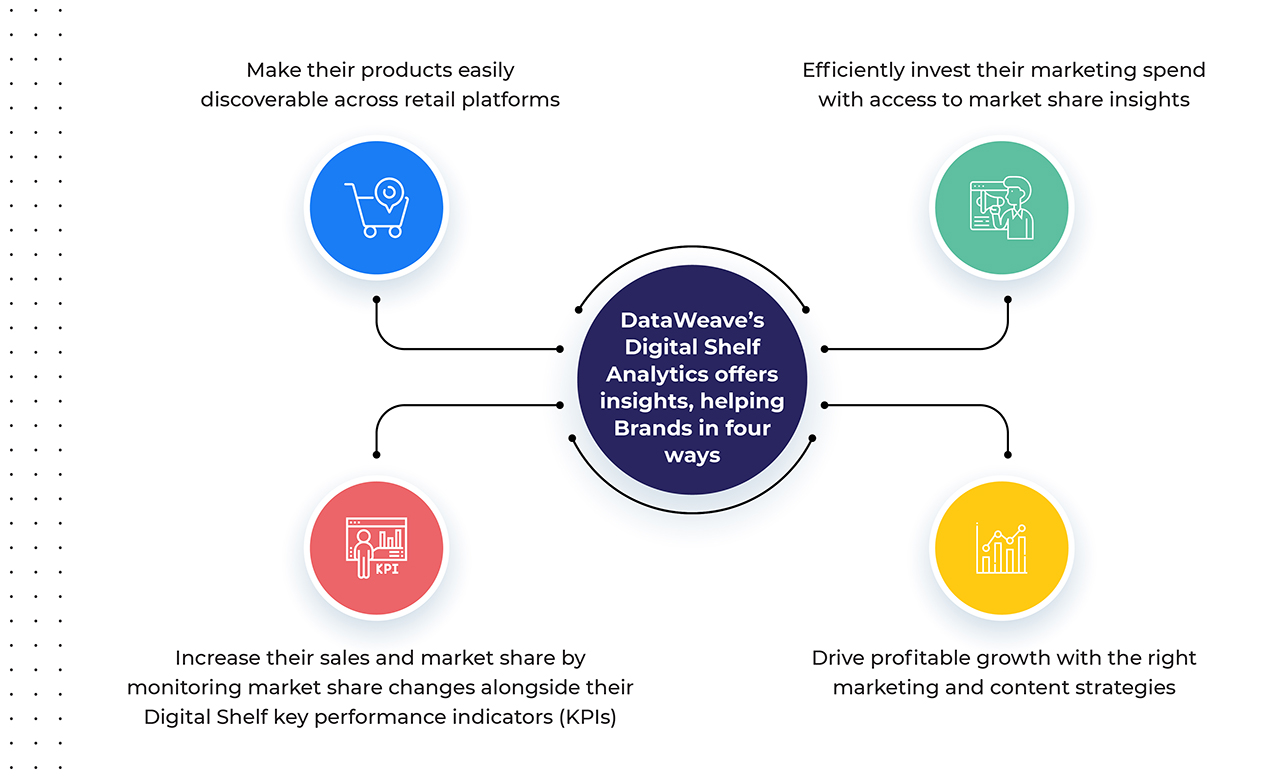
    In response, DataWeave has launched the next generation of our Digital Shelf Analytics suite to help brands across retail categories directly address today’s costly market risks to drive eCommerce growth and gain a competitive advantage.

    Our new enhancements help brands improve online search rank visibility and quantify the impact of digital investments – especially in time for the busy holiday season.”  
    ~ Karthik Bettadapura, CEO and co-founder, DataWeave

    The latest product enhancements provide brands access to tailored dashboard views that track KPI achievements and trigger actionable alerts to improve online search rank visibility, protect product availability and optimize share of search 24/7. Dataweave’s Digital Shelf Analytics platform works seamlessly across all forms of eCommerce platforms and models – marketplaces, D2C websites and delivery intermediaries.

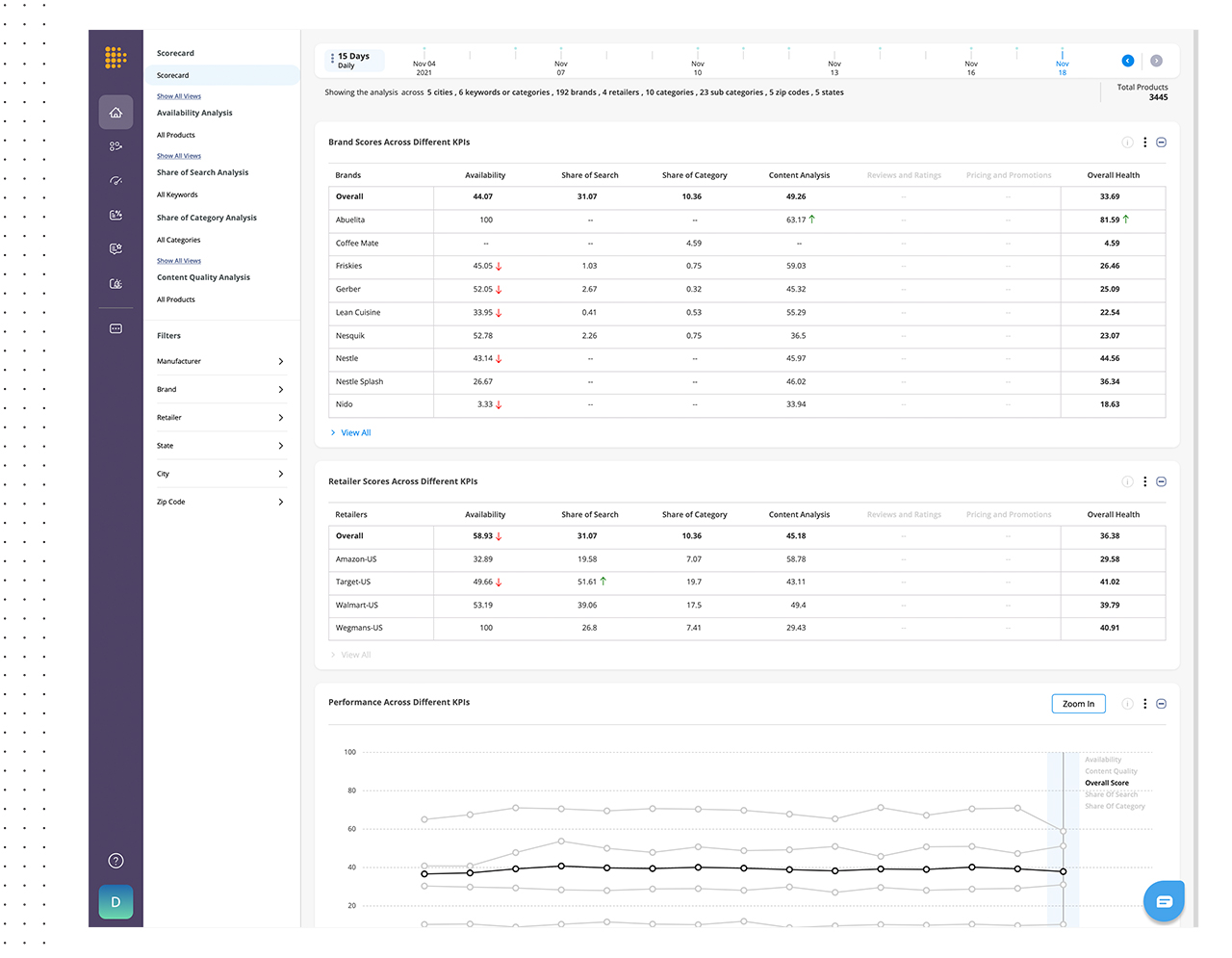
    Dashboard for Multiple Functions

    While all brands share a common objective of increasing sales and market share, their internal teams are often challenged to communicate and collaborate, given differing needs for competitive and performance data across varying job functions. As a result, teams face pressure to quickly grasp market trends and identify what’s holding their brands back.

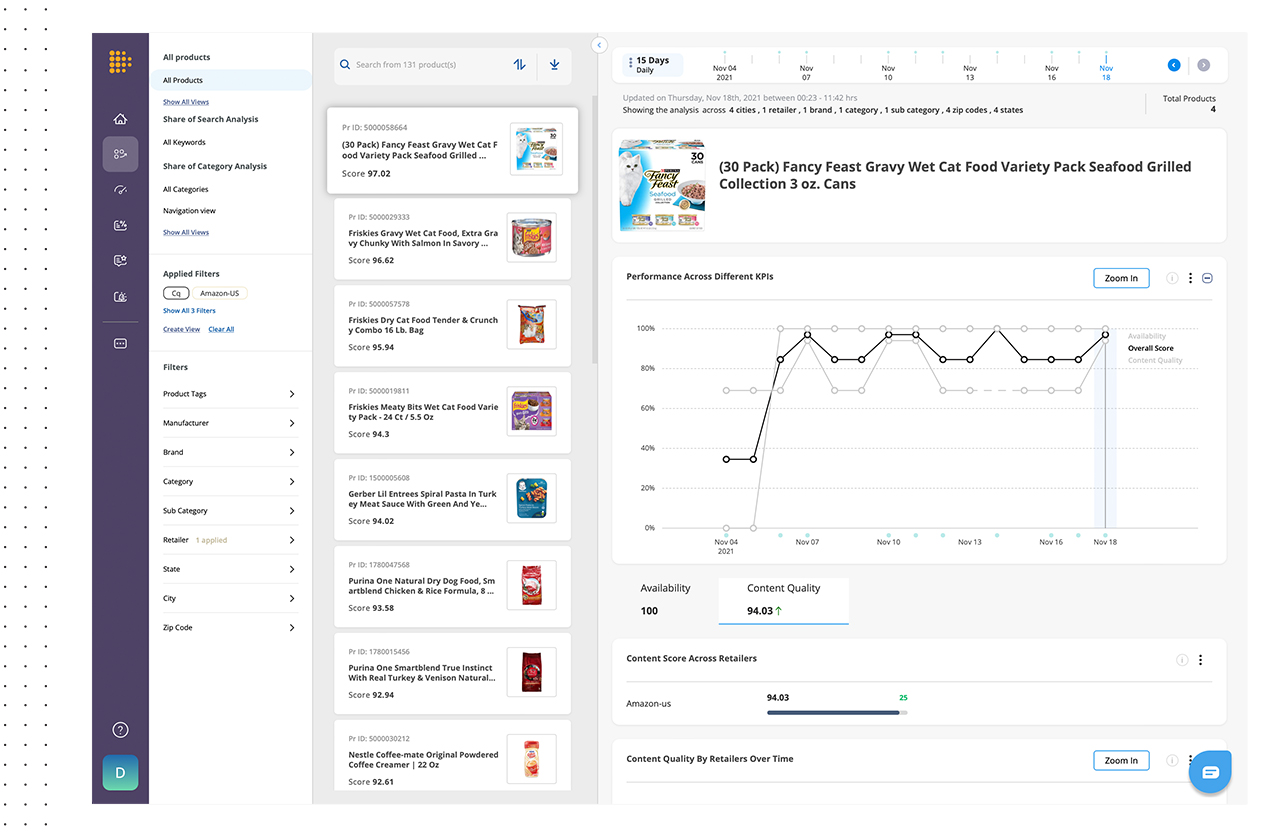
    In response, DataWeave now offers executive-level and customized scorecard views, tailored to each user’s job function, with the ability to measure and assess marketplace changes across a growing list of online retail channels for metrics that matter most to each user. This enhancement enables data democratization and internal alignment to support goal achievement, such as boosting share of category and content effectiveness. The KPIs show aggregated trends, plus granular reasons that help to explain why and where brands can improve.

    Brands gain versatile insights serving users from executives to analysts and brand and customer managers.

    Prioritized, Actionable Insights

    As brands digitize more of their eCommerce and digital marketing processes, they accumulate an abundance of data to analyze to uncover actionable insights. This deluge of data makes it a challenge for brands to know exactly where to begin, create a strategy and determine the right KPIs to set to measure goal accomplishment.

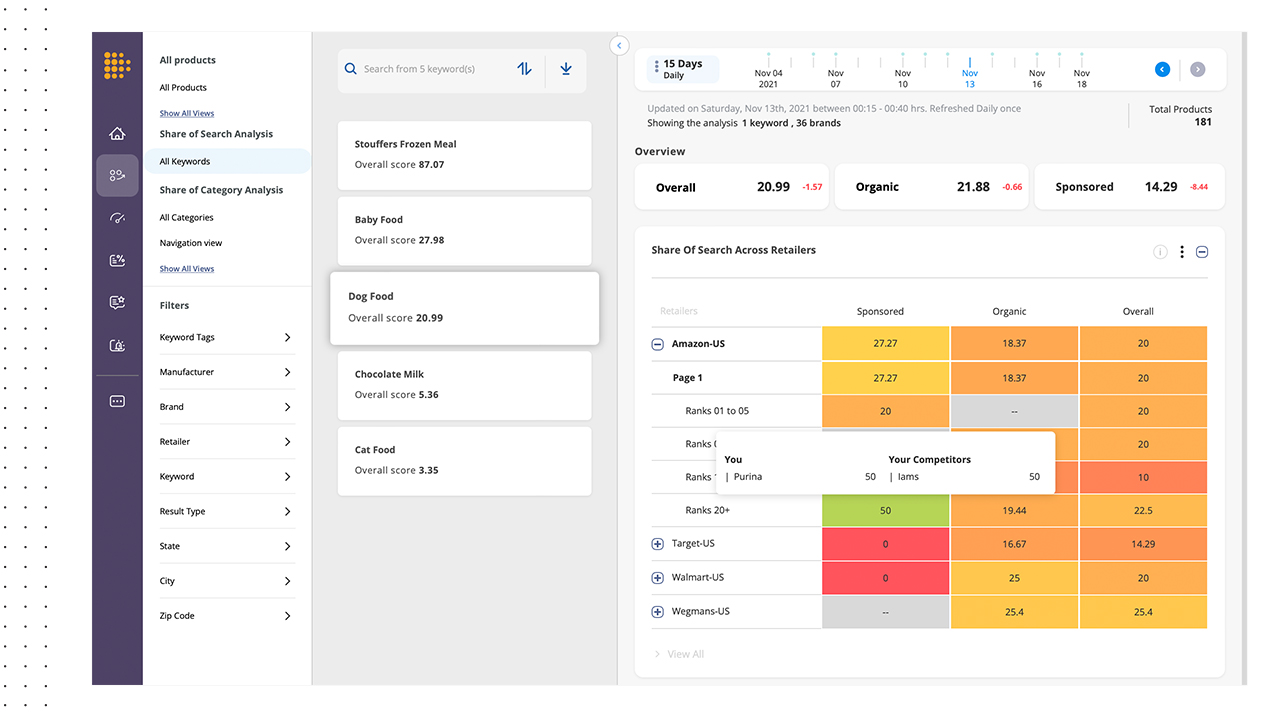
    DataWeave’s Digital Shelf Analytics tool enables brands to effectively build a competitive online growth strategy. To boost online discoverability (Share of Search), brands can define their own product taxonomies across billions of data points aggregated across thousands of retailer websites. They can also create customized KPIs that track progress toward goal accomplishment, with the added capability of seeing recommended courses of action to take via email alerts when brands need to adjust their eCommerce plans for agility.

    “Brands need an integrated view of how to improve their discoverability
    and share of search by considering all touchpoints in the digital commerce ecosystem.”

    ~ Karthik Bettadapura, CEO and co-founder, DataWeave

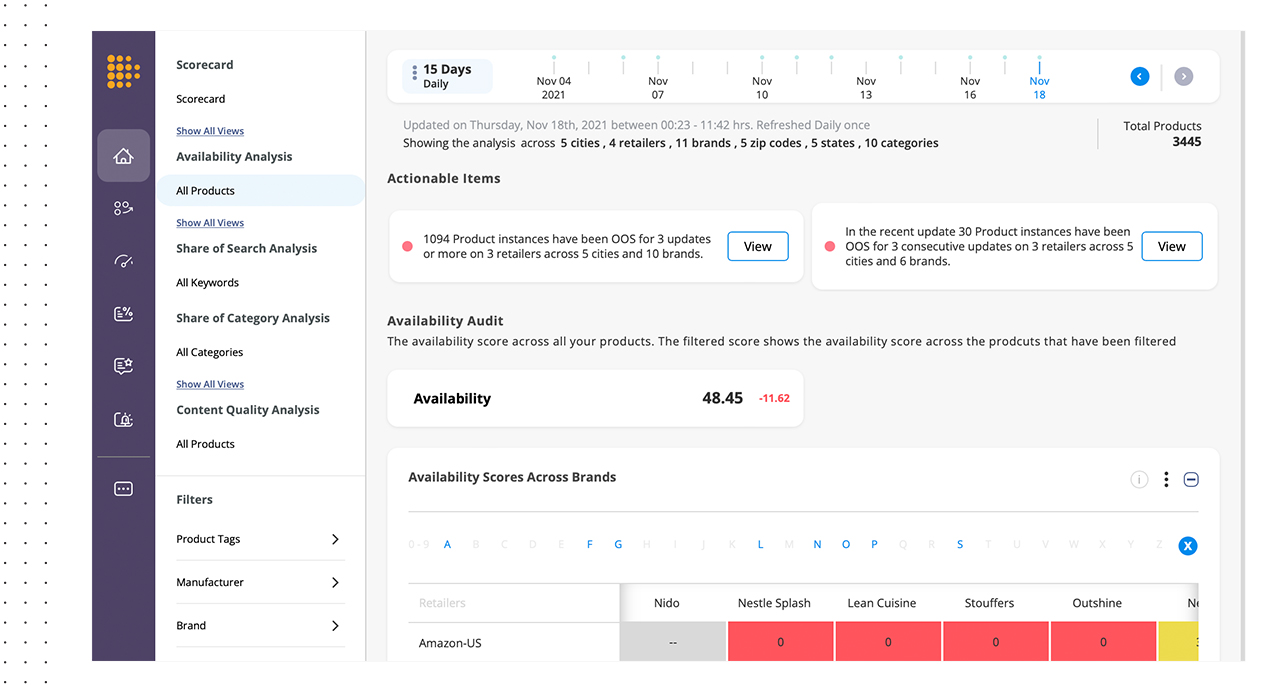
    Of vital importance, amid today’s global supply chain challenges, brands gain detailed analysis on product inventory and availability, as well as specific insights and alerts that prompt them to solve out-of-stocks faster, which Deloitte reports is a growing concern of consumers (75% are worried about out-of-stocks) this holiday season.

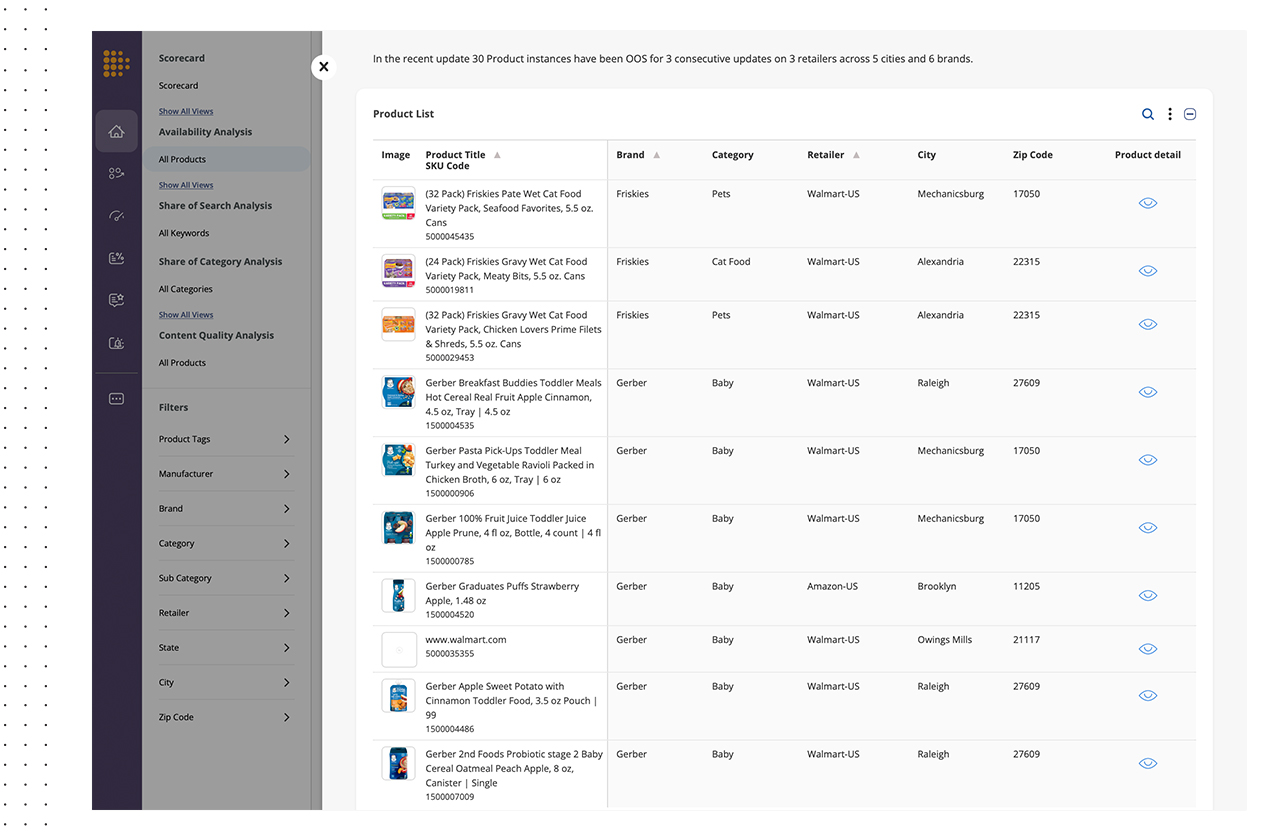
    User and system generated alerts provide clarity to actionable steps to improving eCommerce effectiveness.
    You also have visibility to store-level product availability, and are alerted to recurring out-of-stock experiences.

    Scalable Insights – From Bird’s Eye to Granular Views

    DataWeave’s Digital Shelf Analytics allows brands to achieve data accuracy at scale, including reliable insights from a top-down and bottom-up perspective. For example, you can see a granular view of one SKUs product content alongside availability, or you can monitor a group of SKUs, say your best selling ones, at a higher level view with the ability to drill down into more detail.

    Brands can access flexible insights, ranging from strategic overviews to finer details explaining performance results.

    Many brands struggle with an inability to scale from a hyper-local eCommerce strategy to a global strategy. Most tools available on the market solve for one or the other, addressing opportunities at either a store-level basis or top-down basis – but not both.

    According to research by Boston Consulting Group and Google, advanced analytics and AI can drive more than 10% of sales growth for consumer packaged goods (CPG) companies, of which 5% comes directly from marketing. With DataWeave’s advanced analytics, AI and scalable insights, brands can set and follow global strategies while executing changes at a hyper-local level, using root-cause analysis to drill deeper into problems to find out why they are occurring.

    As more brands embrace eCommerce and many retailers localize their online assortment strategies, the need for analytical flexibility and granular visibility to insights becomes increasingly important. Google reports that search terms “near me” and “where to buy” have increased by more than 200% among mobile users in the last few years, as consumers seek to buy online locally.

    e-Retailers are now fine-tuning merchandising and promotional strategies at a hyper-local level based on differences seen in consumer’s localized search preferences, and DataWeave’s Digital Shelf Analytics solution provides brands visibility to retailer execution changes in near real-time.

    Competitive Benchmarking

    Brand leaders cannot make sound decisions without considering external factors in the competitive landscape, including rival brands’ pricing, promotion, content, availability, ratings and reviews, and retailer assortment. Dataweave’s Digital Shelf Analytics solution allows you to monitor share of search, search rankings and compare content (assessing attributes like number of images, presence of video, image resolution, etc.) across all competitors, which helps brands make more informed marketing decisions.

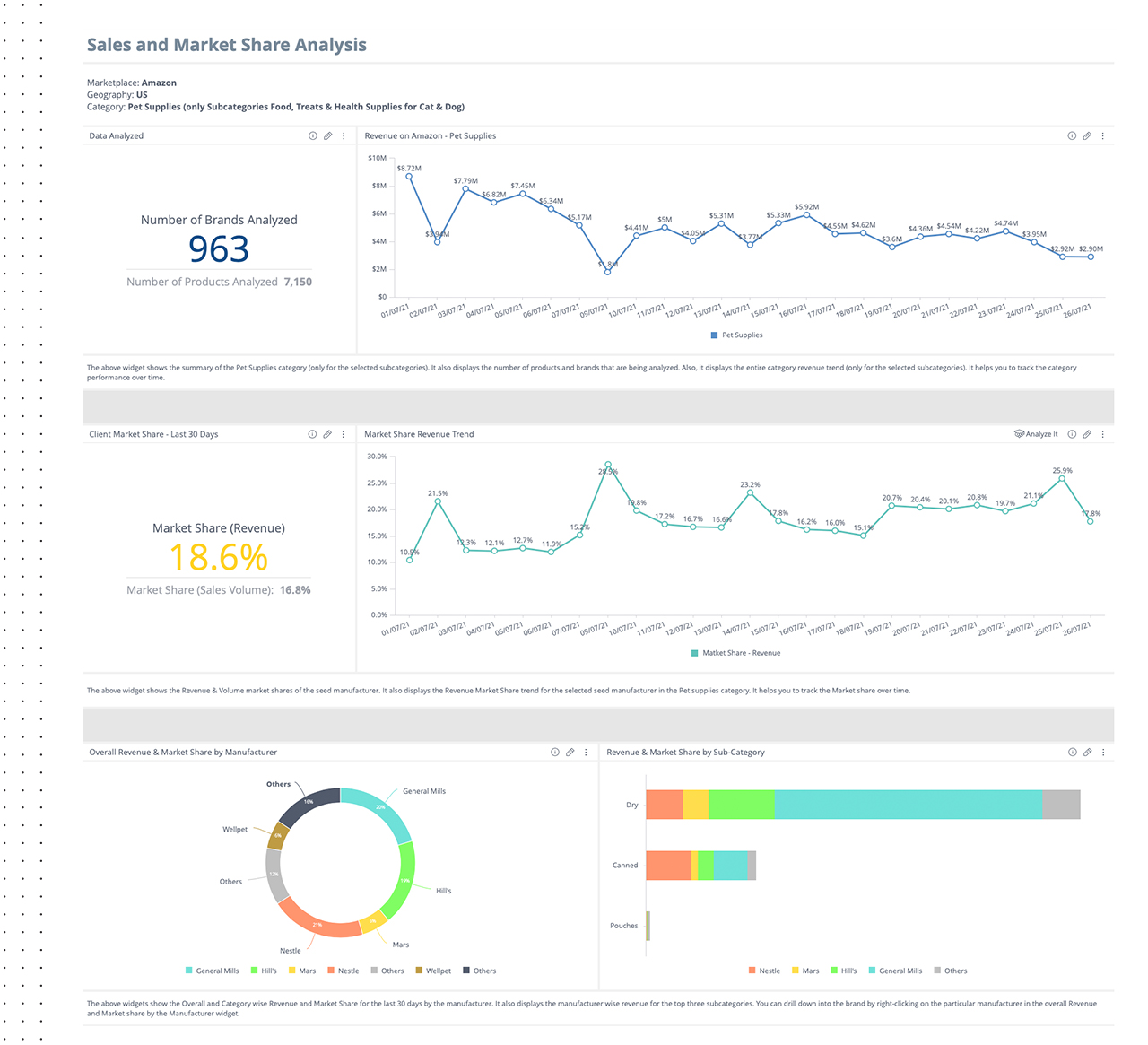
    Brands are also provided visibility into competitive insights at a granular level, allowing them to make actionable changes to their strategies to stay ahead of competitors’ moves. A new module called ‘Sales and Share’ now enables brands to benchmark sales performance alongside rivals’ and measure market share changes over time to evaluate and improve competitive positioning.

    Monitor competitive activity, spot emerging threats and immediately see how your performance compares to all rivals’, targeting ways to outmaneuver the competition.

    Sales & Market Share Estimates Correlated with Digital Shelf KPIs

    In a brick-and-mortar world, brands often use point of sale (POS) based measurement solutions from third party providers, such as Nielsen, to estimate market share. In the digital world, it is extremely difficult to get such estimates given the number of ways online orders are fulfilled by retailers and obtained by consumers. Dataweave’s Digital Shelf Analytics solution now provides sales and market share estimates via customer defined taxonomy, for large retailers like Amazon. Competitive sales and market share estimates can also be obtained at a SKU level so brands can easily benchmark their performance results.

    Additionally, sales and market share data can also be correlated with digital shelf KPIs. This gives an easy way for brands to check the effect of changes made to attributes, such as content and/or product availability, and how the changes impact sales and market share. Similarly, brands can see how modified search efforts, both organic and sponsored, correspond to changes in sales and market share estimates.

    Take Your Digital Shelf Growth to the Next Level

    The importance of accessing flexible, actionable insights and responding in real-time is growing exponentially as online is poised to account for an increasing proportion of brands’ total sales. With 24/7 digital shelf accessibility among consumers comes 24/7 visibility and the responsibility for brands to address sales and digital marketing opportunities in real-time to attract and serve online shoppers around the clock.

    Brands are turning to data analytics to address these new business opportunities, enhance customer satisfaction and loyalty, drive growth and gain a competitive advantage. Companies that adopt data-driven marketing strategies are six times more likely to be profitable year-over-year, and DataWeave is here to help your organization adopt these practices. To capitalize on the global online shopping boom, brands must invest in a digital shelf analytics solution now to effectively build their growth strategies and track measurable KPIs.

    DataWeave’s next-gen Digital Shelf Analytics enhancements now further a brand’s ability to monitor, analyze, and determine systems that enable faster and smarter decision-making and sales performance optimization. The results delight consumers by helping them find products they’re searching for, which boosts brand trust.

    Connect with us to learn how we can scale with your brand’s analytical needs. No project or region is too big or small, and we can start where you want and scale up to help you stay agile and competitive.

  • Prioritizing Brand Protection Before the Holiday Rush

    Prioritizing Brand Protection Before the Holiday Rush

    Counterfeits pose a dangerous threat to any retail brand. Since every single sale is a pivotal branding opportunity, especially for young, burgeoning eCommerce brands, an online marketplace flooded with counterfeits can be particularly dangerous. One in five customers will boycott a brand after mistakenly purchasing a counterfeit product, and that’s not the kind of ratio that any retailer –– from the smallest Direct-to-Consumer (DTC) site to the behemoths like Amazon –– can afford to ignore.

    In the age of online reviews, it’s especially dangerous to have counterfeits floating around. Customers that have a bad experience with a counterfeit can take to the internet to disparage your brand without ever actually interacting with your company or trying your product. That’s why consistent and thorough content audits are paramount to ensuring your brand’s authentic products are highly discoverable, and brand protection and governance processes are in place to safeguard brand integrity across all applicable eCommerce websites.

    The Holiday Counterfeit Boom

    The holidays are a time when customers search for gifts for their friends and family, which means exploring brands outside of their usual fare. Many consumers will be exposed to your brand’s Digital Shelf for the first time over the holiday season, creating an opportunity for brand growth. But if you don’t have eCommerce brand protection initiatives in place, the holidays can be detrimental to brand positioning, customer trust, and your bottom line.

    As consumers boost their online spending and web traffic increases over the holidays, so does the likelihood of them purchasing counterfeit goods online. eMarketer predicts that retail eCommerce sales will comprise almost 20 percent of total holiday retail sales this year. As such, there will also be a surge in counterfeit inventory. So, this is an ideal time to invest in a brand protection solution to help you stay ahead of unauthorized sellers entering the marketplace.

    Brand Integrity Helps Suppliers Save

    Implementing a solution to mitigate the risks of counterfeit products should be at the top of every retailer’s “To-Do” list this year. However, for many retailers, this means manually reviewing numerous websites and third-party marketplaces for violations. Not only is manually reviewing content, images, and seller authenticity a time-consuming process, but it also leaves a lot of room for human error – making it possible for counterfeits to slip through the cracks and into the hands of unsuspecting customers. Not to mention your time should be spent fulfilling orders and increasing customer satisfaction during the high-traffic holiday season, not distracted by monitoring counterfeits.

    Fortunately, that’s not the only way to identify counterfeits and protect your brand online. An effective content auditing tool can help you monitor, detect, and determine systems to identify and act on identified violations, saving time and labor hours normally spent on manual auditing processes. Content audit software also often contains helpful features to help you run your business more strategically by monitoring online hygiene factors like product titles and description. It works across all online channels by highlighting content gaps, which can then be remedied to improve product visibility and conversions. Through online content optimization, you can save money (in unnecessary labor costs), improve your Share of Search, and increase sales and share, with a modest up-front investment.

    Brand Value Protection Boosts Consumer Confidence

    Brand image protection doesn’t just protect retailers, it also protects customers from unintentionally buying dangerous counterfeit goods. Counterfeiting has skyrocketed during the pandemic. The International Chamber of Commerce reports that, by 2022, counterfeit goods will be a $4.2 trillion industry, and global damage from counterfeit goods is projected to exceed $323 billion. Studies show one in four customers has unknowingly purchased a counterfeit item online.

    As counterfeits increase in number, so does the risk of counterfeit consumption by unwitting consumers. Counterfeit goods are as dangerous as they are ubiquitous. Customs and Border Patrol has found ingredients such as cadmium, arsenic, lead, and cyanide inside of counterfeit cosmetics. Consumers are aware of these risks. So, as a retailer, you need to be able to reassure customers that they can trust the authenticity of the goods they are purchasing at your online store.

    A counterfeit detection tool can help you identify fakes and image replicas across multiple online marketplaces, so you can get fake products delisted. Automated counterfeit solutions can increase customer satisfaction in their purchasing experience, since they know they’re getting an authentic product right off the bat. This type of online brand protection creates increased brand loyalty over time, as well as more positive first-time product interactions.

    Making a Measurable Impact: A Counterfeit Detection Case Study

    Classic Accessories is a leading manufacturer of high-quality furnishings and accessories. The company’s investment in a counterfeit detection tool paid off in spades for their organization. After noticing a surge in counterfeit versions of their goods being sold via online, global marketplaces, they decided they needed to change their manual counterfeit and image violation detection process to an automated one to proactively respond to concerned activity in a timely manner.

    Their goal was to achieve streamlined, actionable insights across all retail websites to account for varied violation submission processes, and to reduce the timespan in which insights were generated, ultimately eliminating the need to conduct daily, manual audits. They partnered with DataWeave, who built out a fully customized program to automate Classic Accessories’ content inventory management process, and identified SKU-level violations by matching names and images in diverse online marketplaces.

    During the first three months of onboarding, Classic Accessories was able to detect more than 25,000 violations, submitting notices to each marketplace, and even achieved a 100% removal rate across all Amazon sources. Additionally, they also achieved their goal of saving time (22 hours per week) in automation processes, translating to a $68,000 savings opportunity in labor costs.

    Closing Thoughts

    Prioritizing your online brand protection strategy is imperative to growing your online presence and achieving customer satisfaction and brand loyalty. Fortunately, there are options like DataWeave’s brand protection tool available to help curate your online content, provide consistency across online channels, and improve consumer confidence by addressing and removing counterfeit violations. Implementing the right solution can help find counterfeit products in real-time to keep your brand safe –– and your reputation intact –– throughout the 2021 holiday season. The right brand protection software will provide both Brand Protection and Content Audits, so your brand is optimized from every possible angle for truly competitive results.